
Michigan Deep Fake Law: Criminal Charges & Defense
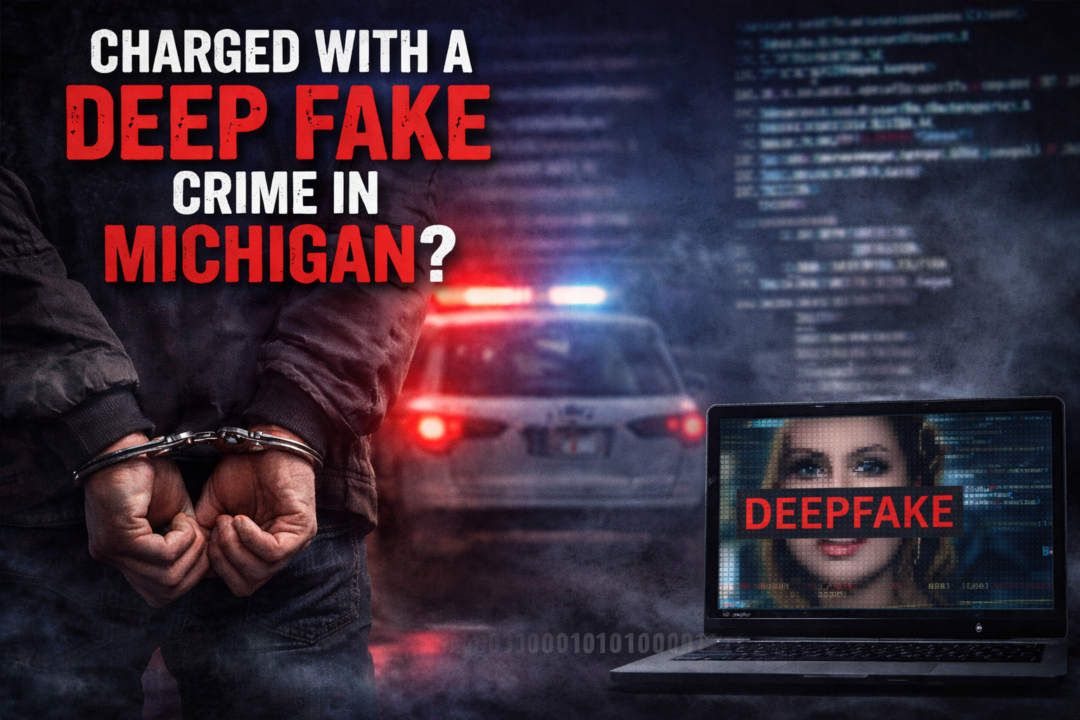
Charged With a Deep Fake Crime in Michigan? Here’s What You Need to Know
Michigan has recently passed a new law targeting the creation and distribution of “deep fakes”, known as the Protection from Intimate Deep Fakes Act (Public Act 11 of 2025). These charges are serious and can carry jail or prison time, along with long-term damage to your reputation and career.
If you are being investigated or charged with a deep fake offense, you need to act quickly. Call criminal defense lawyer Aaron J. Boria today at (734) 453-7806 for a free consultation.
What Is a Deep Fake Under Michigan Law?
Under Michigan law, a “deep fake” is a highly realistic video, image, audio recording, or digital creation that appears to show a real person doing or saying something that never actually occurred.
To qualify as a criminal offense, the deep fake must:
- Be realistic enough that a reasonable person would believe it is real
- Depict a person who is identifiable
- Involve intimate parts or sexual conduct
- Be created or shared in a way that could cause emotional, financial, or reputational harm
These cases often involve social media, text messages, or online postings, which prosecutors use as evidence.
Creation or Dissemination of a Deep Fake (Misdemeanor)
You can be charged with a 1-year misdemeanor if the prosecutor alleges that you:
- Intentionally created or shared a deep fake
- Knew (or should have known) it could cause harm
- Depicted someone in a sexual or intimate way
- Made the person identifiable in the content or through related information
Even a misdemeanor conviction can result in jail time, fines, and a permanent criminal record.
Aggravated Deep Fake Charges (Felony)
Certain factors can elevate the charge to a 3-year felony, including:
- The alleged victim suffered financial loss
- The content was created for profit
- The deep fake was posted online or shared publicly
- There was intent to harass, threaten, extort, or harm
- You have a prior conviction for a similar offense
A felony conviction can result in prison time, significant fines, and long-term consequences for employment, housing, and your future.
Important Legal Issues in Deep Fake Cases
These cases are highly technical and often involve complex digital evidence. The prosecution must prove:
- You intentionally created or distributed the content
- The content meets the legal definition of a deep fake
- The depicted individual is identifiable
- You knew or should have known it would cause harm
Additionally, consent is not a defense unless it is in a written agreement that clearly describes how the image would be used.
There are also important exemptions, including:
- Law enforcement investigations
- Reporting unlawful conduct
- Medical or mental health treatment
- Matters of legitimate public interest
- Use in legal proceedings
You May Also Face a Civil Lawsuit for Money Damages
In addition to criminal charges, you may face a civil lawsuit for damages. This can include:
- Financial damages
- Emotional distress
- Court orders requiring the removal of content
- Injunctions preventing further distribution
These cases can quickly become high-stakes legal battles on multiple fronts.
Deep Fake Defense Lawyer – Michigan
If you are charged with a deep fake crime, you need a lawyer who understands both criminal law and how to challenge digital evidence.
Aaron J. Boria of Boria Law is an experienced Michigan criminal defense lawyer who knows how to:
- Challenge whether the content meets the legal definition of a deep fake
- Attack the prosecution’s evidence and intent allegations
- Negotiate reductions or dismissals
- Defend you aggressively in court if necessary
These are not cases you can afford to handle alone.
Call Aaron J. Boria Today
If you are facing deep fake charges in Michigan, your freedom, your reputation, and your future are on the line.
Call (734) 453-7806 today for a free consultation with criminal defense lawyer Aaron J. Boria.
The sooner you act, the more options you have to protect your record and your future.